Build Reserves
If the Trump era is marked by any consistent pattern, it’s unpredictable disruption. It’s impossible to know day-to-day what industry he’ll target next. Well, unless you’re in his insider trading circle, I guess.
For the rest of us, building up modest, reasonable reserves is wise. Take stock of the things you use regularly and whenever you see a sale, buy one extra unit. This avoids a “run on the bank” during a crisis, while building your resilience.
How to do it:
Start with sales. If something durable that you usually buy is on sale, buy an extra.
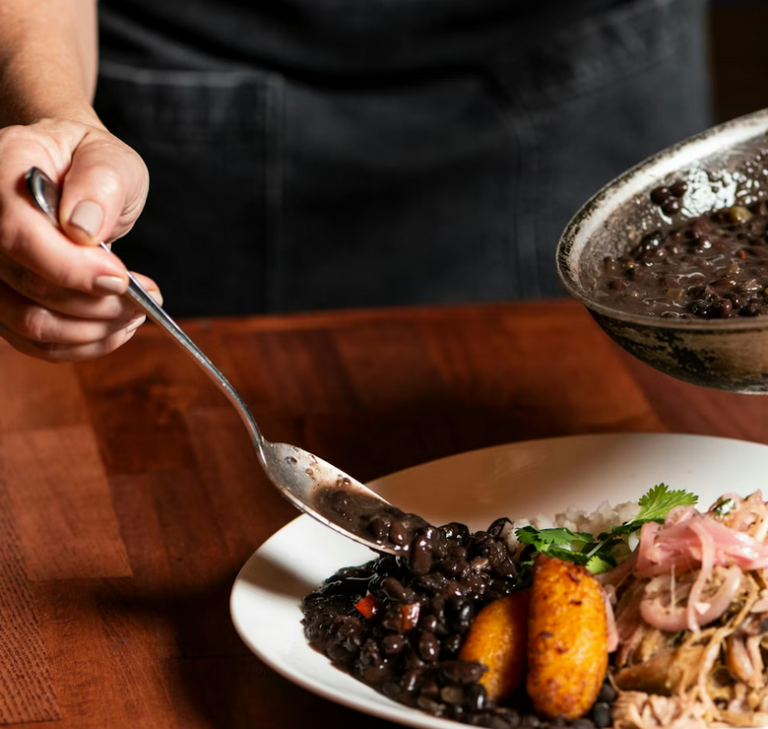
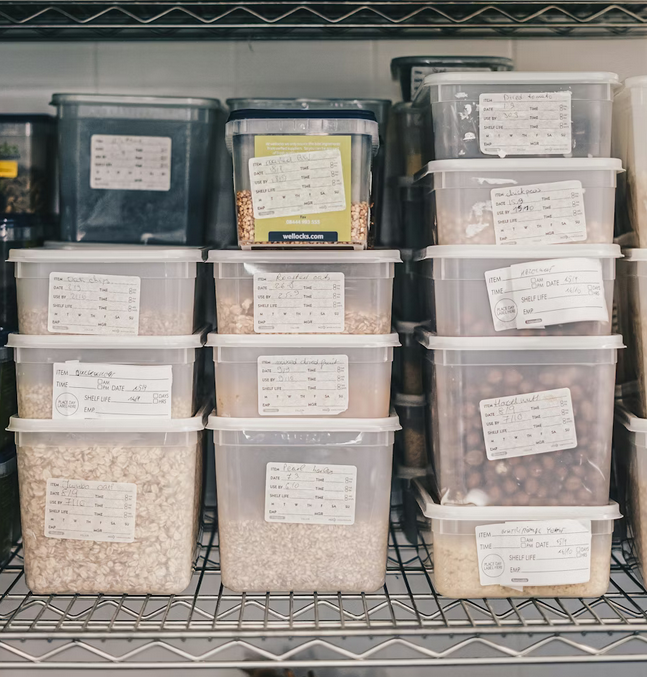
Food is expected to continue to rise in price. Canned goods, dry beans and rice and pasta all hold well. If you lack storage, consider a few plastic tubs in the garage. 5-gallon buckets listed as food-safe are designed to help keep out rodents and bugs. Remember to rotate the stock through. “Shop” in the backstock and replace what’s there until an emergency arrives.
Household goods are another area to consider. Paper goods, OTC medicines (and prescriptions if you are able to stock up) are all potential areas of disruption. Many medical supplies come from just a few sources and environmental disasters can cause disruption.
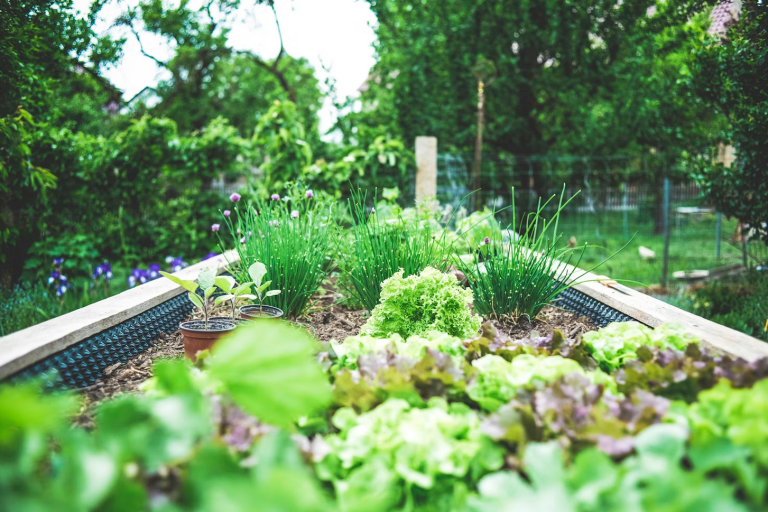
Many people are predicting a run on seeds in 2027, too, as people respond to shortages. Consider placing orders early and sharing surplus.
Finally, consider other things you use regularly, or seasonally. What would be a problem if you couldn’t get it when you want it? Make a list and watch for sales.
Costco is a good place to buy in bulk (maybe a co-op with a neighbor?) but we also recommend becoming familiar with minority markets in town. The price of beans, lentils, rice and even spices is often much lower at stores that cater to communities that consider them staples.