Document Resistance
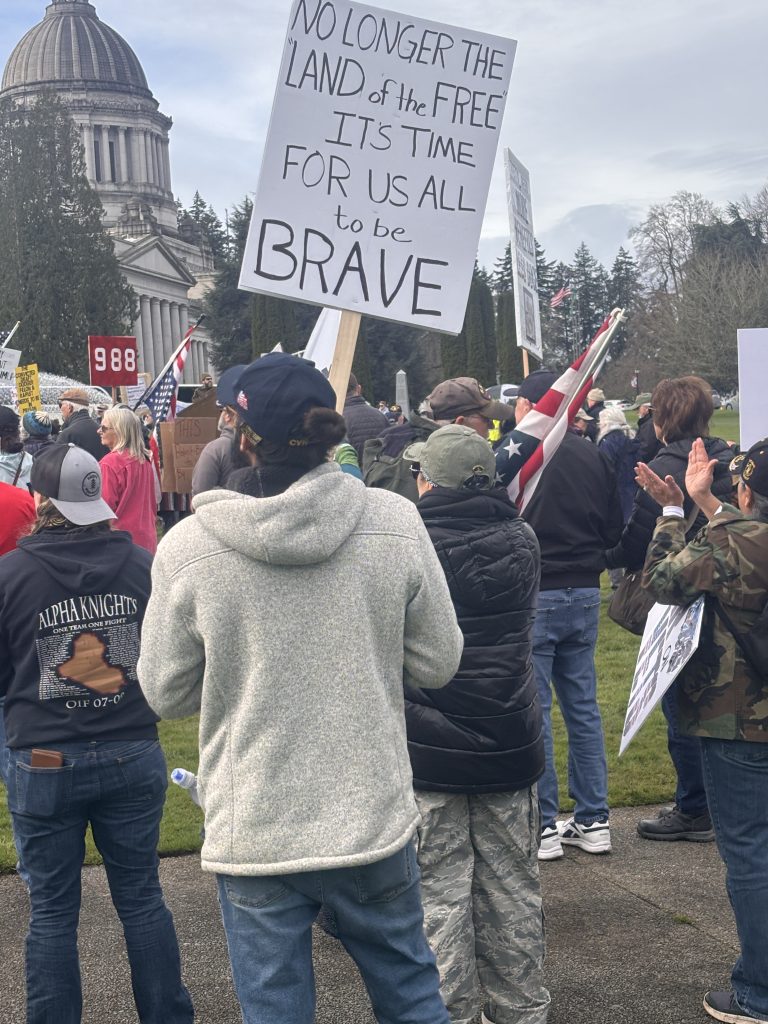
If we don’t document what’s happening, who will? Learn to take better pictures of resistance: protests, graffiti, or things you witness.
When possible take pictures of emerging stories from multiple angles — it helps establish legitimacy. Post your pictures with a few words of context.
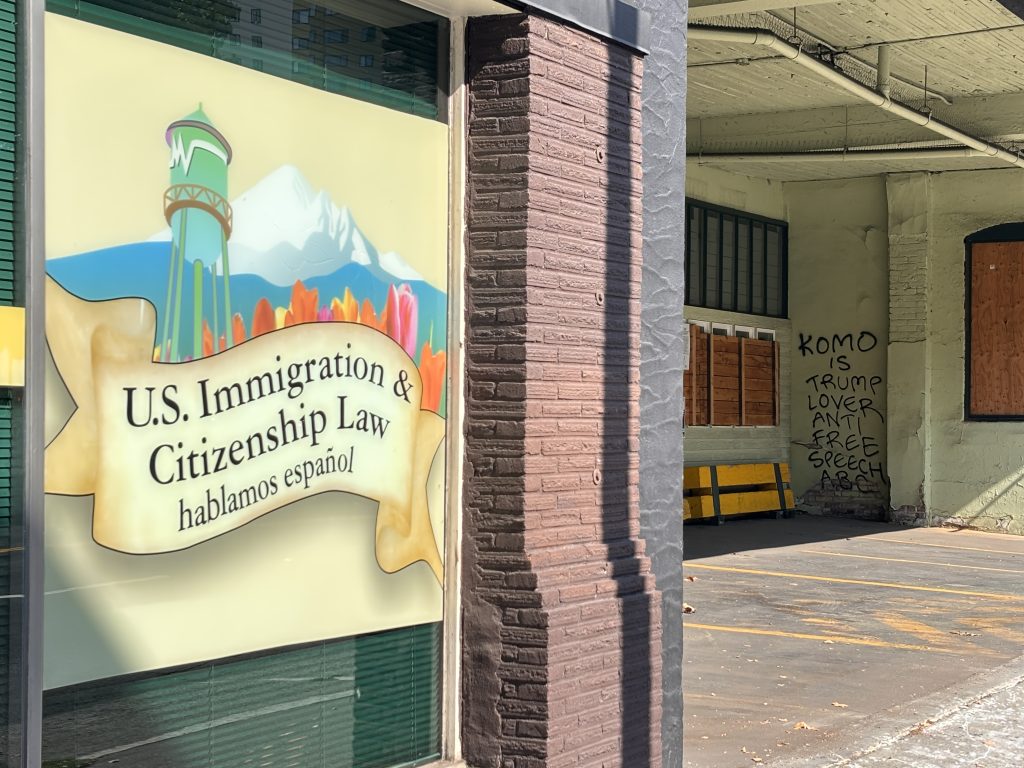
How to do it:
Train your artist’s eye. Watch around you for juxtapositions and interesting images that tell a story. You don’t have to be a professional photographer or writer to share information. In these days of fake stories and news, it’s important that a story emerge from multiple sources with different points of view. (Literally and figuratively.)
Learn how to use your phone. Search, or ask a young person to teach you. Get familiar with cropping, adding text and stickers, and taking video. Think about the images you see on your feeds: are they vertical or horizontal? Learn to take images and video without unlocking your phone first.
Avoid pictures of people’s faces unless you ask first. Take pictures from behind, invite them to cover their face (e.g. in pictures of protest signs) or use “stickers” to obscure faces. Remove metadata from files that might be sensitive, like illegal actions. Redact names and locations unless you have permission to share them. Protect the people in the events you cover.
You’re carrying tools in your pocket a WWI journalist could only have dreamed of. Put them to use and flood the zone with reporting.
Here are some guides for more information:
- Digital Camera World has an essay that covers the basics, has links to more in-depth articles, and includes a section with links to exceptional photojournalism.
- It includes a link to this summary by Wired: How to Take Photos at Protests Safely—and Responsibly
- Witness.org maintains a library of training materials for documenting events worldwide in an era of AI disinformation.
- Study some art-oriented guides, or take an art class to learn more about framing, composition, etc. Here is one of hundreds of options, by Tamron, a leading manufacturer of lenses.