Local Races
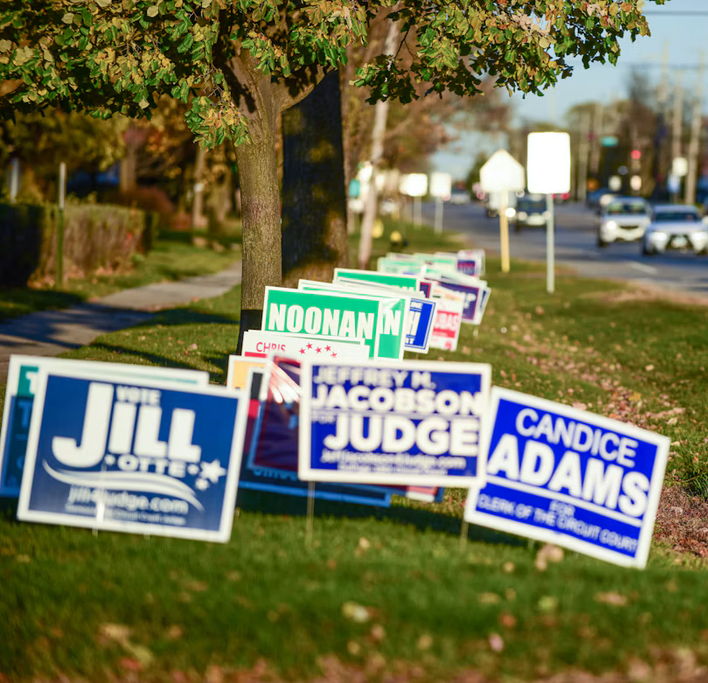
You’re getting a ballot soon! It’ll have at least one House seat, and if you’re in some states, maybe a highly contested Senate race, but for most of us the names will be unfamiliar. Sheriffs, Judges, even school board seats!
It’s tempting to feel overwhelmed. Many people vote party-line, and if there’s no “big” race too many don’t vote at all, but local races are the most important building block for political power.
How to do it:
It can feel overwhelming to vote for judges, sheriffs or city council, but these races are critical. City councils decide whether to support data center projects. Judges decide whether to slap rapists with community service. And Sheriffs decide whether to collect the evidence at all, support or oppose de-policing initiatives like mental health teams, and set policy around bias. School boards decide whether to purge the library, and who uses which bathrooms.
The great news is that so many people skip these races that they’re often decided by hundreds of votes. Every year a few are decided by fewer than a dozen. Your vote could make a big difference.
Start by making a list of ALL the races (and ballot measures) that you’ll vote on. Your election board may have a mock ballot for each district online, or look through the voters guide (usually online before it’s mailed.) If you use the voter’s guide, be aware not all the races will be on your ballot. Look up your district, and then go through marking the races you’ll vote on. Or contact a local party office for a cheat sheet. Some of the races may be non-partisan, but they should be able to help you determine your district and may have a list of ballot items you’ll face.
Next, research the races. Tackle one per day, or a couple each weekend, but spread it out. It can be an overwhelming task. If you have a voter’s guide, start by identifying whackos. In Washington State we had GoodSpaceGuy for years. An unserious candidate who ran for a variety of positions, he’s a local joke, but you can often rule out candidates based on dog whistles. For example “parent choice” often means “anti-trans.”
That should leave you with no more than two candidates in most races. Occasionally you might find a third-party candidate worth supporting. In local races, third party candidates can be viable, due to the smaller scale of the campaign, and the only way for new parties to build is through this bottom-up growth, but do make sure that they have a valid shot at winning. (This is where ranked choice voting would be valuable!)
Next, look for interviews or forums in local news. City Council and School Board races are exactly what the remaining micro-local news may cover (often on social media). Check the candidates’ social media feeds, too. These are small races without big staff. You may find them talking about local events that give you a sense of the candidate. For example, one local would-be justice posted disinformation about voter registration at DMVs. Immediate no! Don’t forget to talk with neighbors, too. You probably know people who know these candidates personally!
In most states you can make yourself a cheat sheet for in-person voting.