Military Connections
Service members are in a tight spot: it’s illegal to refuse legal orders, or to follow illegal ones. The distinction can tie courts up for weeks. They need to know we have their back. Send a text or take a veteran friend to lunch. If you have estranged military family, send a holiday card or make a seasonal donation to a veteran’s organization in their name.
Why we do it:
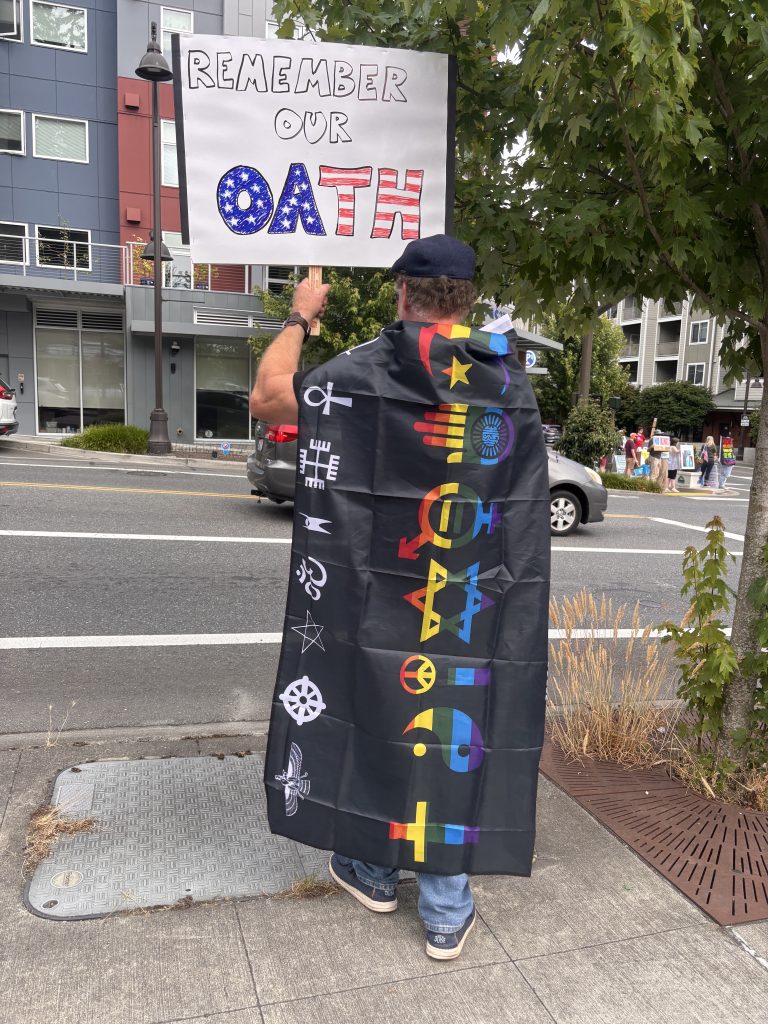
Part of the reason the 3.5% rule works is that people military or police are more likely to refuse orders to fire on civilians if they feel empathy for people in the crowd. Military defection is almost always fatal to regimes. We want to rebuild human connections now.
If you have friends or family in service, reinforce those relationships. Remind them, and yourself, that we’re all people doing our best. If you’re estranged, start small and avoid politics. Send a holiday card or chatty email. Ask how they’re doing. If they’re far from home, consider sending a care package. (How about locally made foods, like honey and jam from the farmer’s market?) Let service members know you care, even if your politics historically differed. Many conservatives are disturbed by how this regime wants to use the military, too.
Cultural sensitivity is the first step in alliance, and many Americans hold misconceptions about military protocols and culture. Most service members joined believing they were part of something honorable. Many aren’t sure what to do now—the states are high. We’ve covered some basics about resisting unlawful orders to get you started understanding how complex this is. Is there someone who might be willing to educate you? Remember that asking someone to educate you about their culture is labor: they are doing you the favor. If you have a trusted veteran friend, ask if they’d be willing to talk with you about some of the things happening. Listen more than you talk. Be respectful, even when you disagree or think they’re wrong.