Skip the Scoop
Every important news story features a flurry of fake news and AI fraud within hours of breaking. It’s impossible sometimes to determine basic facts, and once a story spreads, corrections lag far behind. Most people remember the first thing they read, even if it’s proven wrong later.
We MUST work to counter this. To do that, we slow down. Stop trying to be the first, and value this instead: be the person who is trustworthy.
How to do it:
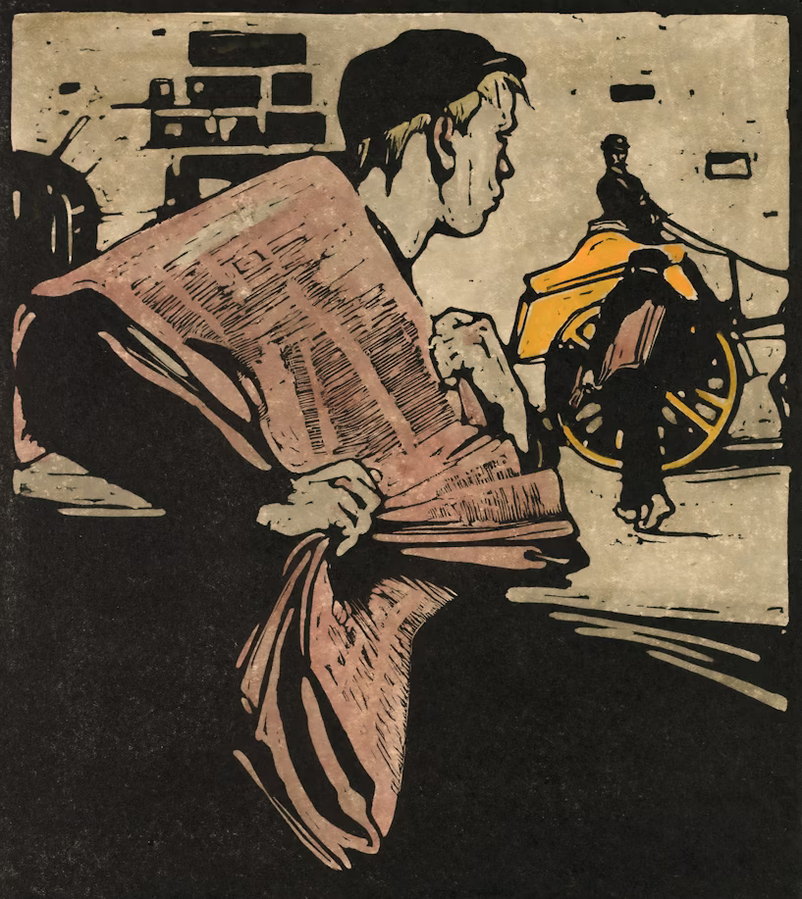
News used to chase the scoop, hoping to break a story nobody else had. Their advantage could be as long as a full day, until the next printing cycle, and a solid track record could bring in new readers. As delays due to printing and distribution evaporated, the scoop compressed to mere minutes: once a source broke news all the other sources reproduced it, citing the first. The advantage evaporated but the standard remained: corners were cut to be first, even as online searches prioritized other values. Worse, the first error was reproduced almost instantly in dozens of other sources, lending it credibility. The result: even reputable names like the New York Times have triggered false reporting about a number of issues. Reputable brands issue a correction, but while the original story goes viral, the correction never does. Worse: less reputable sources create stories for the clicks, with little concern for accuracy and no corrections.
It is time to accept this: there is no marginal value to being a few minutes ahead of the others. Instead, the value now lies in being credible and careful. In an era where AI fakes and psyop circulate quickly, consciously take a wait and see approach. We have the tools to create persuasive false information, but we also have the tools to identify those fakes and dig out reality. And reality matters, deeply. Fascism feeds on a sense that there is no objective truth, but that’s a lie designed to disempower us.
Allow the truth time to emerge. Seek out sources that take the time to get it right, and find places that review others’ claims. We’ll all make mistakes because disinformation is everywhere, but minimize them by always looking for a non-social-media source, and when you get drawn in, perhaps because a credible source made a mistake, publicize the correction. Give your attention to places that reliably take the time to get it right, and apologize when they fail. In this way, we can slow the news cycle down to focus on accuracy instead of sensationalism.