Find a Protest
The big dates get widely spread, but there are smaller standing protests all the time, and sometimes something happens that demands community. Here are our tips for learning about things in your area. We also have a collection of protest tips from phone safety to ways to help if you can’t physically participate.
How to do it:
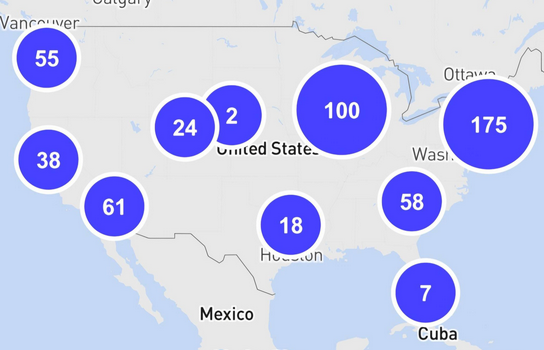
The big clearinghouse of events is Mobilize.org, used by Indivisible, 50501, Move On, and many mainstream groups. It provides filters by date, topic, location and more. There is often a specific name or hashtag associated with emerging events like the killing of Renee Good (#ICEoutforGood) which can help you identify events organized specifically around response to that event.
Join a local group : most have no mandatory participation, but they will send you a weekly email with upcoming events! Indivisible is a good choice in many areas.
Look for local lists : Some people’s “lane” is just collecting events. In the Seattle area Suzi Tucker built the Seattle Area Protest List from a personal collection into a web site. (Hey…we resemble that!)
Park the car : if you see a protest nearby. Walk over and ask folks what’s going on, and who planned it.
Keep your eyes open : many areas have standard places activists gather. This might be a state capital, city hall, or a busy intersection people with signs started collecting fifty years ago. (Really!)
Ask an activist : everyone has that annoying friend whose social media is all activism now. So ask us! We’ll be thrilled to help!
Ask on an activism list : totally valid! First though, check that the list is local to you and that nobody else has already asked.
A word about protest safety: violence can happen anywhere in America. If kindergarten isn’t safe, nowhere is. But some protests invite conflict, while others work hard to maintain safety and calm. We don’t judge tactics, but we do focus on “Green” activities, because our lane is people working to find a way to resist. Riskier activities are for people with well-established communities and protocols, and usually some training. If you are joining a local event, always check who is organizing. In general counter-protests, protests at federal facilities, and protests organized by groups with a history of confrontation are more likely to be risky. Learn more with our collection of protest skills.