Practice Safe Protesting
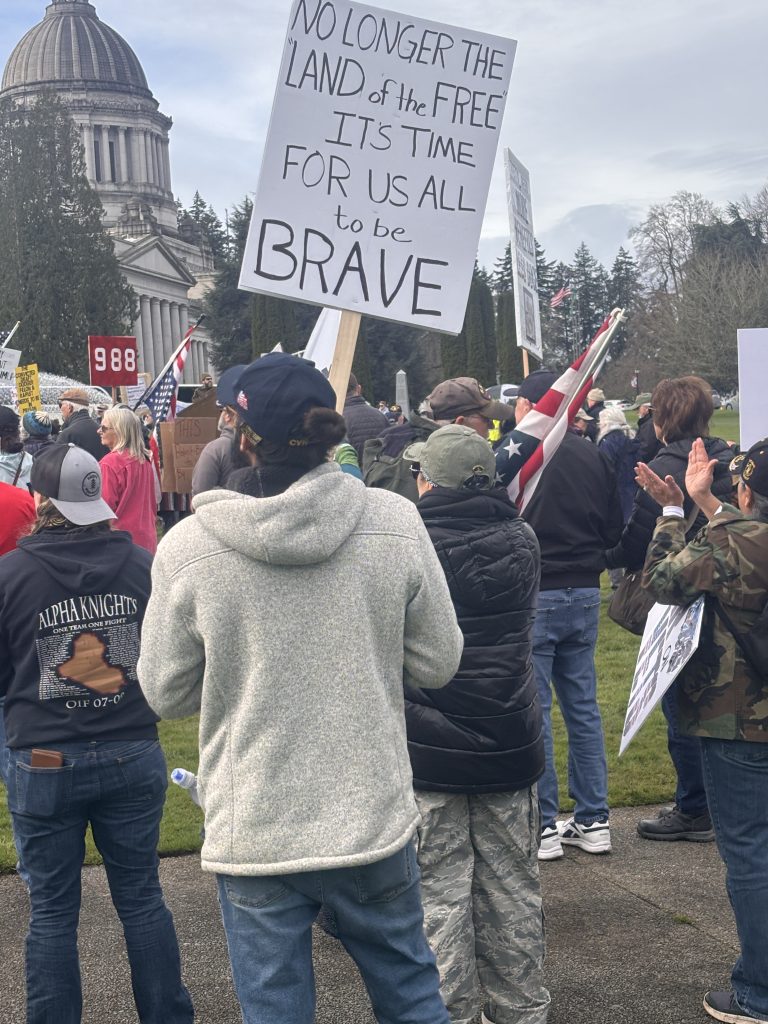
if you (or your partner) are worried about protest safety, start small. Find a corner or overpass event and drive past, honking encouragingly. If it looks comfortable, park and walk by to get a feel for it. Stop for fifteen minutes, or say hello and stay a while.
How to do it:
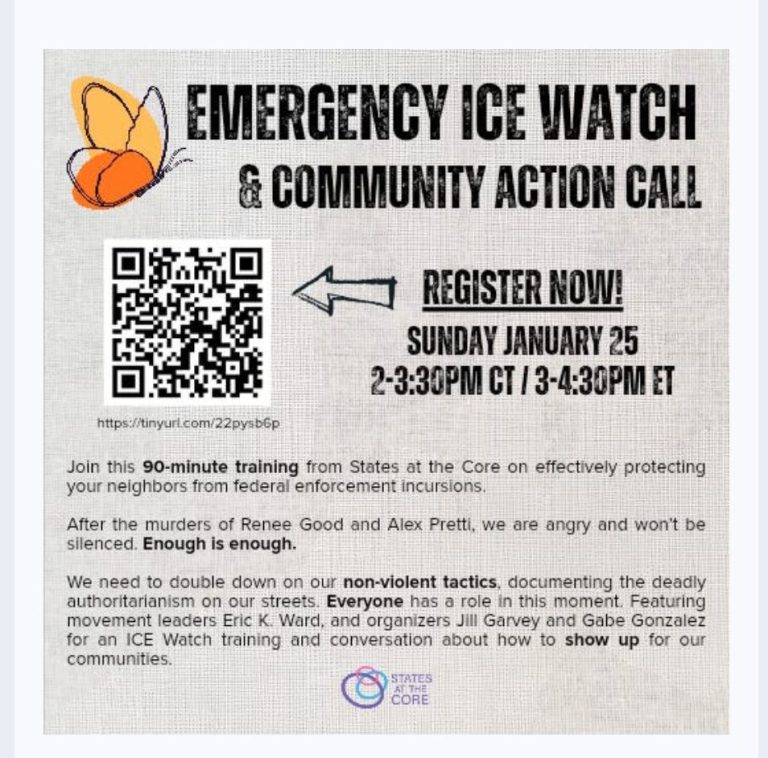
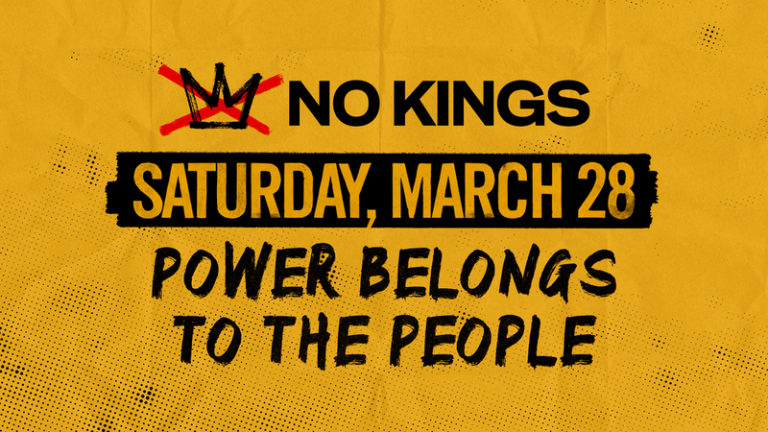
Before every big event, there’s a spike in concern by people who want to attend, but have seen scary posts about violence, or long safety lists. Let’s keep this simple: if you are attending a permitted protest by a group dedicated to non-violence, chances are it’ll be safe. Experienced groups like No Kings! and Indivisible have trained safety teams at larger events, and often require new organizers take a basic training to be officially registered events.
That isn’t a guarantee, of course. We’re fighting fascism. If that was perfectly safe, we wouldn’t need to do it. Let’s talk about the two main vectors of risk: the government, and “lone wolves.”
I do not believe the government will crack down on the October 18th No Kings protests. Their overreach is disorganized and focused on ICE facilities. If this changes in the future, you’ll see news about it (and we’ll update this post.) Currently all government over-reach is centered around ICE detention centers and other ad-hoc protests. Avoid those locations for “green” (safe, legal) protesting.
Right-wing “lone wolf” violence at mass protests is also a legitimate risk, but it’s not actually that common. A quick review suggests about six serious attacks on protesters since 2016, mostly via car. You’re probably safer going to a protest than your kids are going to school. While attacks could escalate we do not comply in advance.
On the other hand, you have everything to gain! Massive protests have an energy to them that feels hopeful and promising. Smaller protests are a good way to connect with local groups doing work you might want to join (and the parking is easier!)
So protest while it’s safe (and often fun!) to do. Use sensible protocols. If you have a nervous spouse, get them involved if you can. Take them to small protests to see what it’s like. Giving them a job can help too : a friend’s ex-military husband waits nearby with the van and a walkie talkie. He shuttles his wife and all her friends to and from the protests, and watches for trouble.
Here are some basic “smart protesting” tips:
- Tell someone where you’re going and check in when you get home
- Take appropriate gear for the weather, water, and snacks, plus a little cash
- Memorize one emergency number in case you lose your phone
- Stay aware of your surroundings.
- Protest/carpool with people you trust. Have a plan if you get separated.
- If you feel uncomfortable, leave the area. Trust your instincts.
These are the same kinds of basic safety rules you’d use at any large event, or on a date with someone new. For most protests this is all you’ll need. If you anticipate police may escalate (e.g. at an ICE detention center protest) here are additional tips:
- Don’t wear contacts, bring weapons (even legal ones) or any illegal substances. (NOTE: even if marijuana is legal in your state, it is still federally illegal. LEAVE IT HOME.)
- Leave your phone home, or get a pre-paid phone you don’t mind losing
- learn your rights : ACLU guide to protesting
- practice “Am I under arrest? Am I free to leave?”
To build your protest safety skills, start here:
- How to secure your phone for protests and border crossings.
- Digital protest safety: https://ssd.eff.org/module/attending-protest
- Comprehensive info from the ACLU: https://www.aclu-wa.org/protest-center/
- Learn de-escalation tactics: https://bridgingdivides.princeton.edu/de-escalation-and-community-safety-training-nationwide-virtual