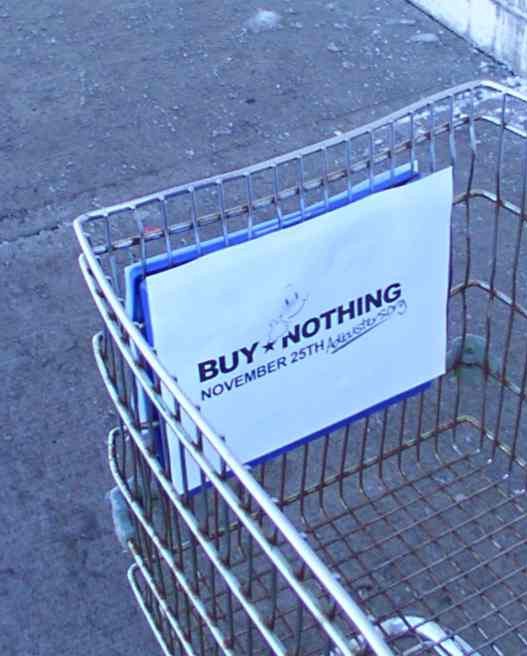
Tax Refund
It’s that time of year again, and if you’re like hundreds of thousands of Americans expecting a tax refund this year, consider reducing your withholding for 2026.
If you get more than $1000 back from the IRS each year, learn how to adjust your withholding. Don’t loan the regime interest-free money!
How to do it:
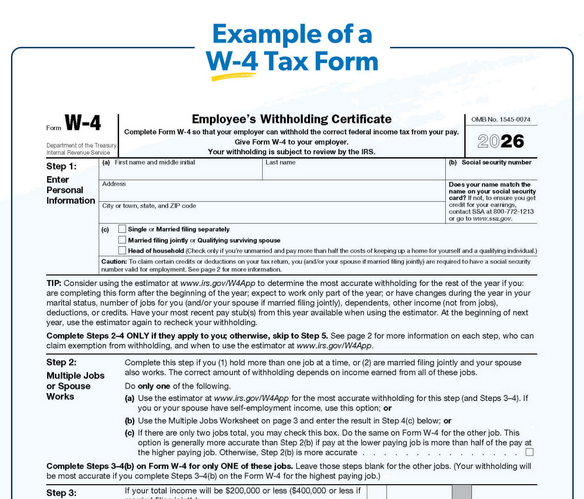
Your employer sends a portion of your income to the Federal government each paycheck. Large employers deposit throughout the year based on the W4 every employee fills out when they’re hired. That’s the form that asks how many deductions you have. In theory if you fill the form out based on your family structure, you shouldn’t owe anything in April, and you won’t get a lot back either. In reality many situations like second jobs can throw off the math and result in over-paying, and people sometimes treat that annual refund like a savings account, ear-marking it for larger purchases.
If you love how your government is spending your tax dollars, there’s nothing wrong with that, but if you’re opposed, it functions as an interest-free loan throughout the year. If you are getting a refund larger than $1000 this year, consider filing an updated W4 with more withholding, or if it’s legal in your circumstances, a W4 that indicates no withholding.
In general, aim to write or receive a check of no more than $1000 dollars each year. If you under-withchold signfiicantly, that can trigger IRS scrutiny, so don’t mis-represent your withholdings. Just review them to see if you’re leaving money on the table. See “Tips for W4s” for a financial advisor’s information about completing W4s, which may help you find ways to legally reduce withholding if you have a large refund. See “W4 rules” for the IRS’s guidance.
This is not a tax protest
Posts go around regularly about tax protests. Many are modeled on tactics tenants can use to force home repairs, like putting the matching cash in a savings account to demonstrate sincerity. while this could be a powerful tactic if implemented broadly enough, none are technically legal. Adjusting your withholding if you get large returns is, though. It’s your right.